Singing Progress Looks Different for Everyone—Here’s Why
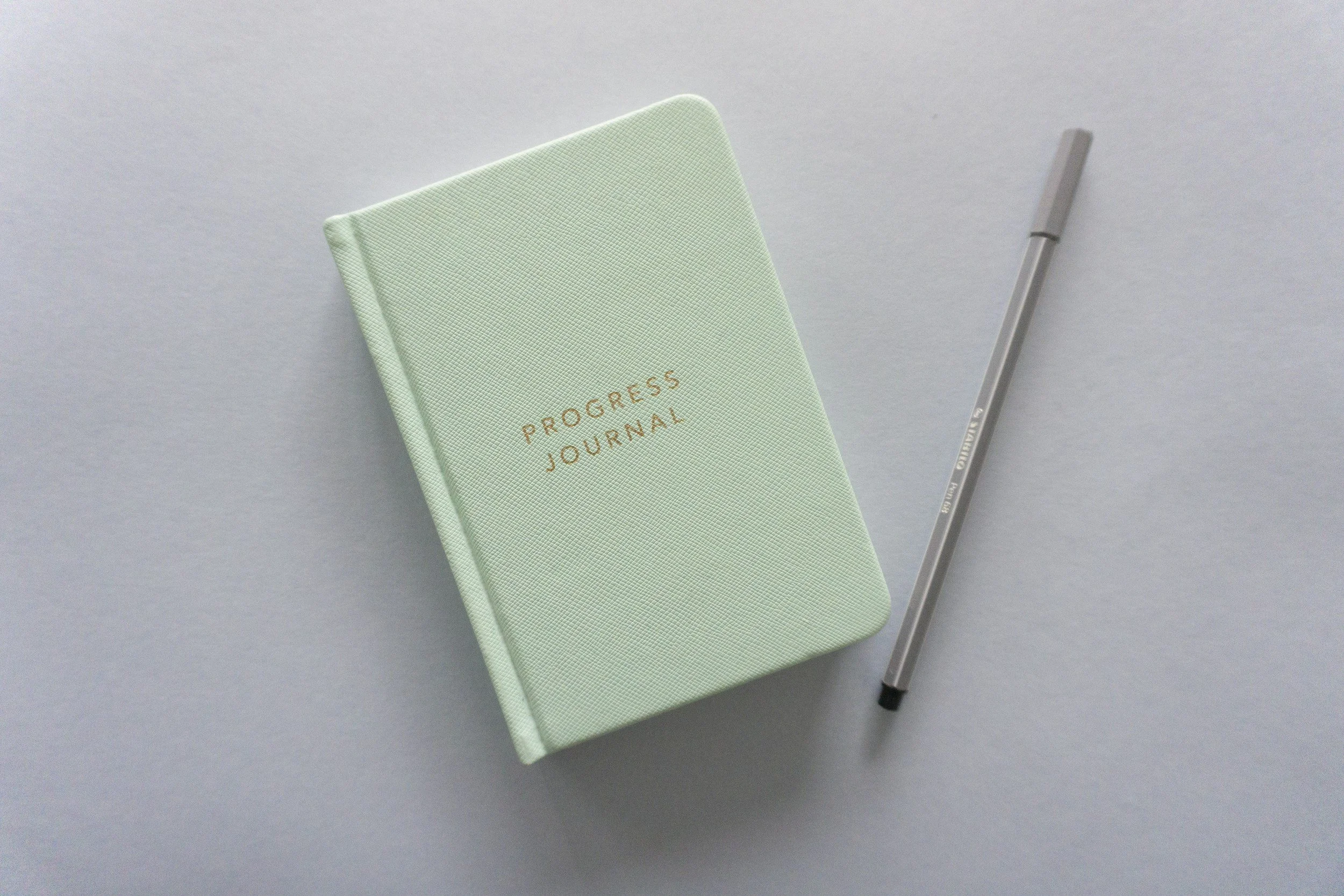
As a voice teacher, I’m often asked, “How long will it take to reach my singing goals?” or “How long before I get better at singing?”
As your teacher, my job is to guide you and give you the tools and skills you need to move from where you are now to where you want to be. But the truth is, there is no single “right” timeline for singing progress. Progress depends on the time and effort you put in—and the growth that comes from it.
I’ve seen beginner singers make huge improvements in just three months of lessons. I’ve also seen beginner singers stay at the same level for a year or more. The difference isn’t talent. The singer who improves faster isn’t more gifted—they’re simply practicing and using their voice outside of lessons.
Every singer is different, and everyone learns in their own way. An exercise that works well for one singer may not work for another. But most of the time, the biggest difference between singers who improve and singers who feel stuck is how much consistent effort they put in. In some cases, mental or emotional blocks can also slow progress, and those are often best worked through with a therapist.
So here’s the key idea: progress in singing is not linear, and it can’t be put on a fixed timeline. The one thing you can control is how much time you spend practicing and using your voice.
I know that everyone has different schedules and responsibilities. Still, most people can find at least five minutes a week to use their voice more intentionally—even if that time is in the shower or in the car. In my experience, singers who practice this way still make progress, especially compared to singers who don’t use their voice at all outside of lessons.
So how long will it take you to reach your singing goals? That answer depends on you.
I’m not saying this to discourage you. Your practice time should change based on the season of life you’re in. But your expectations should also change when your available time changes.
Try not to put pressure on yourself to improve within a certain time frame. Instead, ask yourself:
How much time do I realistically have to work on my singing?
Given my schedule, how can I break my bigger goals into smaller, more realistic ones?
Starting with these questions can help you understand what progress looks like for you—and what your personal timeline might be.
If you’re ready to take the next step in your singing journey and want accountability and support, I’d love for you to join me in the Curious Singer Membership. You can find more information about the program here.